Apple addresses the issue behind Iphones with older batteries running slower
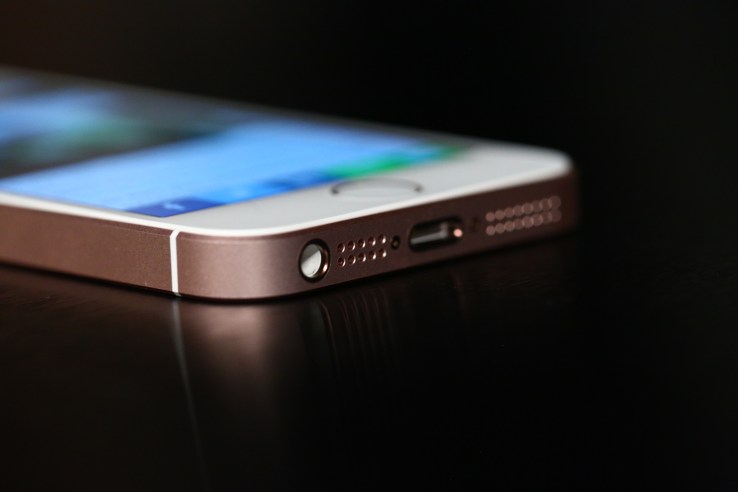
Because of a Reddit post and the loose interpretation of subsequent benchmark tests posted by Primate Labs’ John Poole, the “Apple throttles old iPhones” meme has reared its ugly head again.
The gist, as it always is, is that Apple is being super
petty and trying to force customers to upgrade their phones by making
their old phones run slower.
As always, the answer is no. It would be beyond stupid and
incredibly short-sighted for Apple to do this and, if it was actually
true, would likely lead to tangles of a governmental and legal nature
that no company like Apple would ever want to happen.
Instead, Apple is focusing attention on
smoothing out the very high and quick peaks of power draw that can cause
problems with older batteries.
Here’s a statement that Apple provided when I inquired
about the power profile that people were seeing when testing iPhones
with older batteries:
Our goal is to deliver the best experience for customers, which includes overall performance and prolonging the life of their devices. Lithium-ion batteries become less capable of supplying peak current demands when in cold conditions, have a low battery charge or as they age over time, which can result in the device unexpectedly shutting down to protect its electronic components.Last year we released a feature for iPhone 6, iPhone 6s and iPhone SE to smooth out the instantaneous peaks only when needed to prevent the device from unexpectedly shutting down during these conditions. We’ve now extended that feature to iPhone 7 with iOS 11.2, and plan to add support for other products in the future.
The short-form version of what Poole’s benchmarks are
showing is the result of a power curve-smoothing algorithm that Apple
rolled out last year to mitigate iPhone shutdown issues. I wrote about it here; you can read that and come back.
Basically, iPhones were hitting peaks of processor power
that the battery was unable to power and the phones were shutting off.
Apple then added power management to all iPhones at the time that would
“smooth out” those peaks by either capping the power available from the
battery or by spreading power requests over several cycles. This is
clearly shown in Poole’s charts in his post:

Also, to be clear, Poole’s charts appear to be accurate — nor is Apple saying this isn’t happening.
Some users who have had older batteries replaced also said
they’ve seen improved benchmarks after replacing their batteries. Well,
yeah. Of course. As batteries age, they stop working as well. Period.
And that age isn’t just about years or charge cycles —
heat is a huge killing factor for batteries, for instance. If your
iPhone gets left out in the sun a lot or gets hot a bunch, then your
battery will kick the bucket a lot sooner.
As that battery ages, iOS will check its responsiveness
and effectiveness actively. At a point when it becomes unable to give
the processor all the power it needs to hit a peak of power, the requests will be spread out over a few cycles.
Remember, benchmarks, which are artificial tests of a system’s performance levels, will look
like peaks and valleys to the system, which will then trigger this
effect. In other words, you’re always going to be triggering this when
you run a benchmark, but you definitely will not always trigger this
effect when you’re using your iPhone like normal.
Apple will continue to add this smoothing to more devices over time to avoid shutdown issues, freezing and other problems.
It’s important to note that this is a lithium-ion
chemistry issue, not an Apple issue. Batteries just get crappy over
time. This is an attempt to make your phone work for longer with less
issues, not to get you to switch away from it.
Last year, Apple also added a notification for the user
when the battery gets to a really rough state, but it’s pretty
conservative about that, so it will likely not trigger until well after
iOS feels it should start capping the max power draw from batteries.
Just as an FYI.
Basically, if your phone is cold, has a low battery charge
or has an aged battery, it will be unable to supply peak current.
Period.
I think there’s an argument here that many people will never, ever
see this happening. It is applied only when maximum power draw is
required of the battery, e.g. when you are doing something intense with
your iPhone like playing a game or using 3D applications. But clearly
some people are seeing a pervasive triggering of this limiter.
This will not affect the average performance of your
device, and it is emphatically not throttling; it’s capping the peak
demands and not allowing them to be as high — and spreading that work
out over more cycles rather than one.
However…
I think one thing that can be argued here is that there is
a balance to be struck between giving people too much information and
not enough information. If you give a user enough rope they will hang
themselves, so to speak, by replacing batteries too early or replacing
phones that don’t need replacing.
But, as a matter of transparency, I think that beyond
saying very publicly that they are doing this power management (which
they have now done twice), there could be an avenue here to be more
aggressive and transparent with the user about when their battery is
directly affecting the peak performance of their iPhone.
“I think users who experience significant slowdowns due to battery
wear would want Apple to be more transparent about this issue,” says
Poole. “A notification stating that the battery needs service would be a
simple way to reduce users’ concerns and help them address this
problem.”Roughly, the three points for possible improvement I see here are as follows:
- Apple should examine whether the gap is too large between when the algorithm starts smoothing out the peaks of performance and when they’re notified that their performance is taking a hit due to battery age. If a person is noticing (and it seems they are, given the discussion threads and social activity on this) that their phone is running slower, then they need to know why.
- The point at which iOS will tell you that your battery has gone to hell is currently very, very conservative. Perhaps this can be set to be more aggressive. Then, of course, users will complain that Apple is cash-grabbing on battery replacements, but humans will remain humans.
- It’s clear that people just didn’t understand that protecting an iPhone with an older battery was going to directly affect performance. Perhaps this is a failing of Apple messaging or a failure of myself (and other journalists) in not explaining it as clearly as possible.


Comments
Post a Comment